
Ultrasound with Power Doppler of the Joints for MASEI protocol

High-resolution ultrasound for power Doppler evaluation of ankle, knee, and elbow joints.
What is the MASEI protocol in rheumatological ultrasound?
The MASEI (Madrid Sonographic Enthesitis Index) protocol is a standardized system used in ultrasound examinations to assess enthesitis, that is, inflammation at the sites where tendons and ligaments attach to bones. This type of inflammation is characteristic of spondyloarthritis, a group of rheumatological diseases that includes, for example, ankylosing spondylitis and psoriatic arthritis.
Updating the use of the Madrid Sonographic Enthesis Index (MASEI): a systematic review of the literature Validity of enthesis ultrasound assessment in spondyloarthropathy Applicability of the MASEI index in enthesis and its association with other indices/serological mark
Why is MASEI important?
MASEI is considered a reliable and scientifically validated protocol that allows for the accurate identification of typical spondyloarthritis changes, even in the early stages of the disease, often before changes are seen on X-rays or MRIs.
How does MASEI work?
During the examination, the radiologist assesses six enthesopathic regions (where tendons attach to bone) on both sides of the body:
Achilles tendon
Plantar fascia
Patellar tendon (proximal and distal)
Quadriceps tendon
Humeral epicondyles (elbow)
Each structure is examined with high-frequency ultrasound and scored according to the following criteria:
Tendon thickening
Calcifications
Bone erosions
Presence of Doppler (inflammatory activity)
Enthesophytes or irregularities of the bone cortex
What is the cutoff value for suspected spondyloarthritis?
A total score of 18 points or more on the MASEI is associated with a high probability of spondyloarthritis, according to clinical studies.
This index is important for early diagnosis and for monitoring the response to treatment.
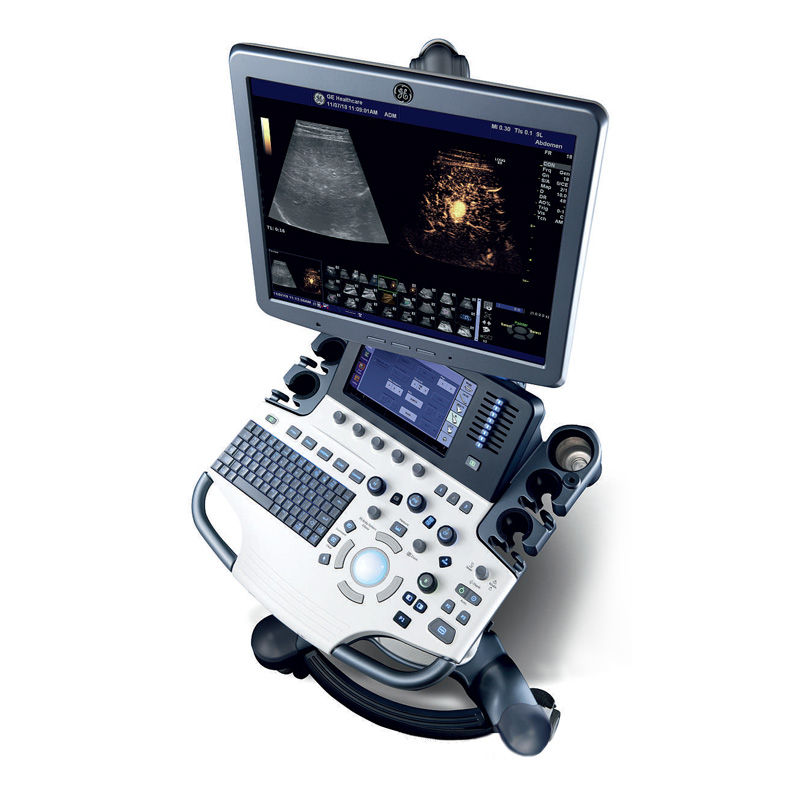
This examination is performed using high-generation ultrasound (GE Logiq S8 v2 with 18 MHz linear transducer) in Moema – São Paulo, with an internationally validated protocol and expert interpretation by Dr. Patrick Felipe Catricala (CRM 133006 | RQE 46844), a radiologist specializing in musculoskeletal and rheumatological imaging.
Scientific Reference:

Comments